
 7 Oct
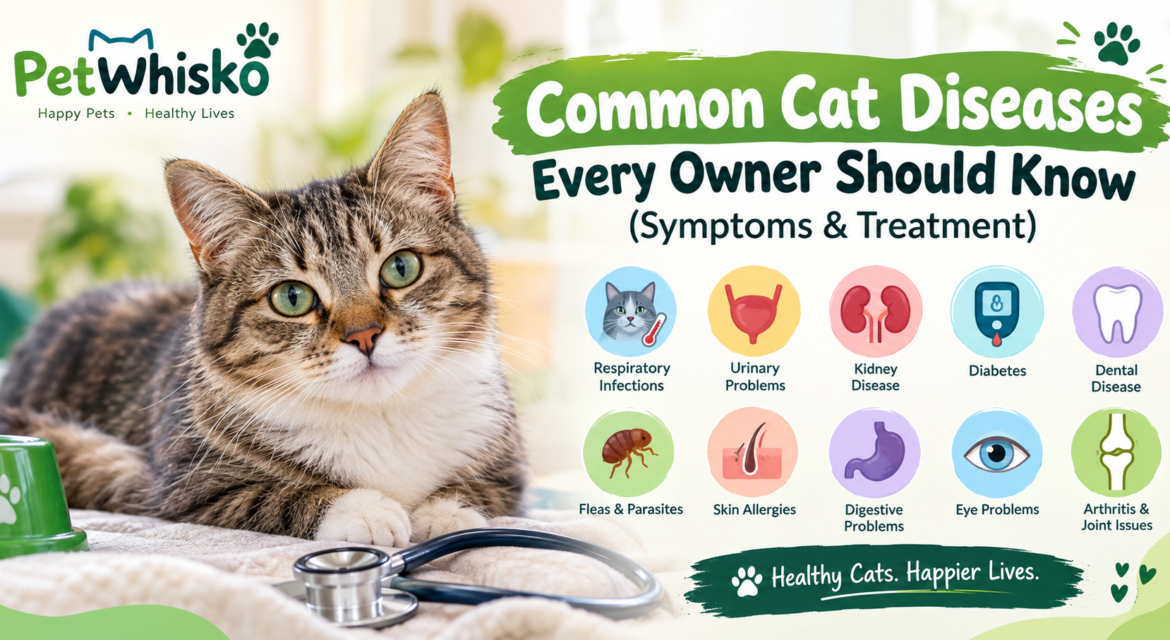
Common Cat Diseases Every Owner Should Know (Symptoms & Treatment)
Cats are naturally good at hiding signs of pain and illness. A cat may continue eating, grooming, and behaving normally even when a health problem is developing. This is why understanding common cat diseases and learning to recognize early warning signs can make a major difference in your cat’s health and wellbeing.
Some feline health conditions are mild and manageable, while others can become serious if treatment is delayed. Changes in appetite, drinking habits, litter box behavior, energy levels, breathing, weight, coat condition, or personality should never be ignored when they persist or appear suddenly.
At PetWhisko, responsible pet care starts with understanding your cat’s everyday needs and recognizing when something is not normal. This guide explains several common diseases and health conditions that cat owners should know, their possible symptoms, general treatment approaches, and practical ways to support feline health.
Why Cat Owners Should Know About Common Cat Diseases
Cats can develop health problems at any age. Kittens may be more vulnerable to infections and parasites, adult cats can develop urinary, digestive, dental, or skin problems, while older cats have a greater risk of chronic conditions affecting organs such as the kidneys.
Knowing the common warning signs does not mean trying to diagnose your cat yourself. Instead, it helps you recognize when professional veterinary attention may be needed.
Early observation is particularly important because cats often hide discomfort. A small change in behavior may sometimes be the first visible indication that something is wrong.
Some important warning signs include:
- Loss of appetite
- Sudden weight loss or weight gain
- Excessive thirst
- Increased urination
- Difficulty urinating
- Repeated vomiting
- Persistent diarrhea
- Sneezing or nasal discharge
- Difficulty breathing
- Excessive scratching
- Hair loss or skin irritation
- Bad breath
- Difficulty chewing
- Unusual tiredness
- Hiding more than usual
- Changes in litter box habits
- Changes in normal behavior
If these symptoms are persistent, severe, or sudden, a veterinarian should evaluate your cat.
1. Upper Respiratory Infections in Cats
Upper respiratory infections are among the health problems frequently seen in cats. They can affect the nose, throat, sinuses, and eyes. Cats living with other cats may have increased exposure because some respiratory infections can spread between animals.
Symptoms of Upper Respiratory Infections
Common signs may include:
- Frequent sneezing
- Runny nose
- Nasal congestion
- Watery or irritated eyes
- Eye discharge
- Coughing
- Reduced appetite
- Fever
- Tiredness
- Difficulty breathing in more serious cases
A cat with a blocked nose may also lose interest in food because cats rely heavily on their sense of smell when eating.
Treatment for Respiratory Infections
Treatment depends on the underlying cause and severity. A veterinarian may recommend supportive care, fluids, nutritional support, medication, or other treatment when necessary.
Keep a sick cat comfortable, provide fresh water, and monitor food intake. If breathing becomes difficult or your cat stops eating, seek veterinary attention promptly.
2. Feline Lower Urinary Tract Problems
Urinary problems are another important category among common cat diseases and health conditions. Cats may experience bladder inflammation, urinary crystals, stones, infections, or urinary obstruction.
Male cats can be particularly vulnerable to urinary blockage, which can become an emergency.
Symptoms of Urinary Problems
Watch for:
- Frequent trips to the litter box
- Straining to urinate
- Passing only small amounts of urine
- Urinating outside the litter box
- Blood in the urine
- Excessive licking around the urinary area
- Vocalizing while urinating
- Restlessness
- Hiding or unusual behavior
If a cat repeatedly attempts to urinate but produces little or no urine, urgent veterinary care is required.
Treatment for Urinary Conditions
Treatment depends on the specific cause. A veterinarian may perform a physical examination, urine testing, blood testing, or imaging to determine what is happening.
Treatment can include prescription medication, dietary changes, increased fluid intake, or procedures to relieve an obstruction when necessary.
Never give your cat human medication for urinary discomfort unless specifically instructed by a veterinarian.
3. Kidney Disease in Cats
Kidney disease becomes increasingly important as cats grow older. The kidneys help remove waste products from the blood and maintain fluid and mineral balance. When kidney function decreases, waste can accumulate in the body.
Kidney disease may develop gradually, making early signs difficult to notice.
Symptoms of Kidney Disease
Possible signs include:
- Increased thirst
- Increased urination
- Reduced appetite
- Weight loss
- Vomiting
- Bad breath
- Weakness
- Dehydration
- Poor coat condition
- Lethargy
Some cats show subtle changes for a long time before their condition becomes obvious.
Treatment and Management
Treatment depends on the severity and underlying cause. Veterinary care may include dietary management, fluid support, medication, and regular monitoring.
A veterinarian can determine the appropriate treatment plan after examining the cat and evaluating kidney function.
For older cats, regular health checks can help identify changes before they become severe.
4. Diabetes in Cats
Feline diabetes affects the body’s ability to regulate blood glucose properly. It is more commonly recognized in adult and older cats and can be associated with factors such as obesity and other health conditions.
Symptoms of Diabetes
Signs can include:
- Increased thirst
- Increased urination
- Weight loss despite eating
- Increased or decreased appetite
- Weakness
- Poor coat condition
- Reduced activity
- Dehydration
If your cat suddenly begins drinking much more water or using the litter box significantly more often, the change deserves attention.
Treatment for Feline Diabetes
Diabetes management is individualized. Veterinary treatment may involve dietary management, blood glucose monitoring, medication, and insulin therapy.
Cats with diabetes require consistent care. Owners should follow veterinary instructions carefully and monitor their cat for changes in appetite, activity, weight, drinking, and urination.
5. Dental Disease in Cats
Dental problems are extremely common in cats, but they can easily go unnoticed. Cats may continue eating despite having painful teeth or inflamed gums.
Poor oral health can affect a cat’s comfort and overall wellbeing.
Signs of Dental Disease
Look for:
- Bad breath
- Red or swollen gums
- Drooling
- Difficulty chewing
- Dropping food while eating
- Pawing at the mouth
- Reduced appetite
- Loose or damaged teeth
- Bleeding from the mouth
- Avoiding hard food
A cat that suddenly becomes reluctant to eat should be evaluated rather than assuming it is simply being picky.
Treatment and Prevention
Treatment depends on the condition of the teeth and gums. Professional dental cleaning or other veterinary procedures may be required.
At home, regular dental care designed specifically for cats can support oral health. Never use human toothpaste or dental products unless they have been specifically approved for feline use.
Regular veterinary dental examinations can also help identify problems early.
6. Fleas and Flea-Related Skin Problems
Fleas are common external parasites that can cause significant discomfort. Some cats are particularly sensitive to flea bites and may develop allergic skin reactions.
Even indoor cats can be exposed to fleas.
Symptoms of Fleas
Possible signs include:
- Frequent scratching
- Excessive grooming
- Biting the skin
- Hair loss
- Red or irritated skin
- Small scabs
- Restlessness
- Flea dirt in the coat
A cat may groom excessively and remove visible fleas, so the absence of obvious fleas does not always mean there is no flea problem.
Treatment
Effective flea control should be selected according to the cat’s age, weight, health status, and veterinary recommendations.
Never use a flea treatment designed for dogs on a cat unless a veterinarian specifically confirms that it is safe. Some products can be dangerous to cats.
Environmental cleaning may also be necessary because flea eggs and immature stages can remain in the surroundings.
7. Intestinal Worms and Parasites
Internal parasites can affect cats of different ages, particularly kittens and cats that spend time outdoors.
Common intestinal parasites can cause digestive problems and nutritional issues.
Symptoms of Worm Infestation
Possible signs include:
- Diarrhea
- Vomiting
- Weight loss
- Swollen abdomen
- Poor coat condition
- Reduced appetite
- Weakness
- Worms or worm segments in stool
- Poor growth in kittens
Some cats may have parasites without obvious symptoms, which is why preventive care and veterinary examinations are important.
Treatment
Treatment depends on the type of parasite present. A veterinarian may recommend testing and an appropriate deworming medication.
Do not randomly choose a dewormer because different parasites require different treatments, and incorrect medication or dosing can be harmful.
8. Skin Allergies and Dermatitis
Cats can develop skin irritation because of fleas, environmental allergens, food-related reactions, infections, or other underlying conditions.
Skin problems can be frustrating because many different conditions can produce similar symptoms.
Common Symptoms
Watch for:
- Excessive scratching
- Excessive licking
- Hair loss
- Redness
- Scabs
- Dry or irritated skin
- Small bumps
- Skin wounds
- Repeated grooming of one area
If your cat constantly scratches or licks a particular part of its body, the underlying cause should be investigated.
Treatment
Treatment depends entirely on the cause. A veterinarian may examine the skin and recommend parasite control, medication, dietary management, or treatment for infection when necessary.
Avoid applying human creams, oils, or medications to your cat without professional guidance.
9. Gastrointestinal Problems
Vomiting and diarrhea are common symptoms in cats and can result from many different causes. A minor digestive upset may resolve, but persistent or severe gastrointestinal symptoms can indicate a more serious condition.
Symptoms to Watch
These may include:
- Vomiting
- Diarrhea
- Constipation
- Reduced appetite
- Abdominal discomfort
- Weight loss
- Dehydration
- Weakness
- Blood in vomit or stool
Repeated vomiting or diarrhea can cause dehydration, particularly in kittens and older cats.
Treatment
Treatment depends on the underlying cause. A veterinarian may recommend dietary management, fluids, medication, testing, or other treatment.
If vomiting or diarrhea continues, becomes severe, contains blood, or occurs with weakness or loss of appetite, veterinary care should not be delayed.
10. Feline Viral Diseases
Cats can also develop serious viral diseases. Some feline viruses can weaken the immune system or cause long-term health complications.
Examples include feline immunodeficiency virus and feline leukemia virus.
Some infected cats may not show obvious symptoms for a long time, which makes appropriate veterinary testing and preventive care important.
Possible Warning Signs
Depending on the infection, signs may include:
- Weight loss
- Repeated infections
- Poor appetite
- Fever
- Swollen lymph nodes
- Poor coat condition
- Diarrhea
- Mouth inflammation
- Eye problems
- Persistent weakness
Treatment and Management
There is no single treatment approach for every viral disease. Veterinary care generally focuses on identifying the infection, managing symptoms, supporting overall health, and treating secondary problems when they occur.
Preventive veterinary care, appropriate vaccination, parasite control, and reducing exposure to potentially infected animals can help protect cats.
11. Eye Problems in Cats
Eye problems can develop because of infections, injuries, irritation, allergies, or other underlying conditions.
Because eye conditions can sometimes progress quickly, unusual eye changes should be taken seriously.
Signs of Eye Problems
Look for:
- Excessive tearing
- Eye discharge
- Redness
- Swelling
- Squinting
- Cloudiness
- Pawing at the eye
- Keeping one eye closed
- Sensitivity to light
Treatment
Treatment depends on the cause. A veterinarian may prescribe appropriate eye medication or recommend additional treatment after examining the eye.
Do not use leftover eye drops or human eye medication unless a veterinarian specifically recommends them.
12. Arthritis and Joint Problems
Older cats may develop arthritis and other joint problems. Because cats are often subtle about pain, owners may mistake reduced activity for normal aging.
Signs of Arthritis
Possible signs include:
- Difficulty jumping
- Avoiding stairs
- Sleeping more
- Stiffness after resting
- Reduced grooming
- Irritability
- Difficulty entering the litter box
- Less interest in playing
- Hiding more frequently
A cat does not have to stop walking before arthritis becomes a concern.
Treatment and Support
Veterinary treatment may involve pain management, weight management, environmental adjustments, and other supportive measures.
Making food, water, sleeping areas, and litter boxes easier to access can also improve comfort for cats with mobility difficulties.
Never give human painkillers to a cat unless specifically prescribed by a veterinarian. Some human medications can be extremely dangerous for cats.
13. Obesity in Cats
Obesity is not simply a cosmetic issue. Excess body weight can increase the risk of several health problems and make movement more difficult.
Overfeeding, insufficient activity, excessive treats, and inappropriate portion sizes can contribute to weight gain.
Signs of Excess Weight
You may notice:
- Difficulty feeling the ribs
- A rounded abdomen
- Reduced activity
- Difficulty grooming
- Less interest in playing
- Difficulty jumping
Managing a Healthy Weight
A healthy weight-management plan should be gradual and appropriate for the individual cat. Sudden food restriction can be dangerous for cats.
A veterinarian can assess your cat’s body condition and recommend an appropriate feeding and activity plan.
How to Recognize When Your Cat Needs Veterinary Attention
Understanding common cat diseases is useful, but recognizing an emergency is even more important.
Contact a veterinarian promptly if your cat develops sudden or severe symptoms.
Urgent warning signs may include:
- Difficulty breathing
- Open-mouth breathing
- Collapse
- Seizures
- Severe weakness
- Repeated vomiting
- Severe diarrhea
- Blood in vomit or stool
- Inability to urinate
- Serious injury
- Sudden inability to walk
- Severe eye injury
- Suspected poisoning
- Extreme lethargy
A cat that cannot urinate, particularly when repeatedly straining in the litter box, needs urgent veterinary attention.
How to Help Prevent Common Cat Diseases
Prevention plays an important role in maintaining feline health. While not every disease can be prevented, responsible everyday care can reduce many avoidable risks.
Provide Balanced Nutrition
Feed your cat an appropriate, nutritionally balanced diet. Portion sizes should be suitable for the cat’s age, activity level, size, and health requirements.
Avoid frequent unnecessary treats and monitor body condition.
Maintain Fresh Water
Cats should always have access to clean drinking water. Some cats naturally drink little, so monitoring their normal drinking behavior can help you notice changes.
A sudden increase or decrease in water consumption should be discussed with a veterinarian.
Keep Vaccinations Up to Date
Vaccination can help protect cats against important infectious diseases. Your veterinarian can recommend a vaccination schedule based on your cat’s age, lifestyle, health, and exposure risk.
Use Appropriate Parasite Prevention
Regular parasite prevention can help protect cats against fleas and internal parasites.
The correct product and schedule depend on the individual cat, so veterinary guidance is recommended.
Maintain Good Hygiene
Clean litter boxes regularly and keep food and water bowls clean. Wash bedding when necessary and maintain a clean living environment.
Good hygiene can also make it easier to notice changes in urine, stool, appetite, and normal behavior.
Schedule Routine Veterinary Checkups
Routine examinations allow potential problems to be identified before they become advanced.
Older cats and cats with existing health conditions may require more frequent monitoring.
How PetWhisko Helps Cat Owners
PetWhisko is focused on helping pet owners understand everyday pet care and recognize important health and wellness concerns.
Whether you are caring for a kitten, an adult cat, or a senior feline, learning about nutrition, hygiene, behavior, disease prevention, and warning signs can help you become a more informed pet owner.
For more pet-care information and helpful guidance, visit PetWhisko at https://petwhisko.in/.
Final Thoughts
Understanding common cat diseases helps owners recognize changes that might otherwise be overlooked. Respiratory infections, urinary problems, kidney disease, diabetes, dental disease, parasites, skin conditions, digestive problems, viral diseases, eye problems, arthritis, and obesity can all affect cats in different ways.
The most important thing is to know your cat’s normal behavior. Changes in appetite, water consumption, litter box habits, grooming, movement, energy, or personality can provide valuable clues about their health.
However, symptoms alone cannot confirm a diagnosis. When your cat develops persistent, severe, or unusual symptoms, professional veterinary evaluation is the safest approach.
With appropriate nutrition, hygiene, parasite prevention, vaccinations, regular checkups, and attentive daily care, cat owners can take meaningful steps toward supporting a healthier and happier feline companion.