

 23 Oct
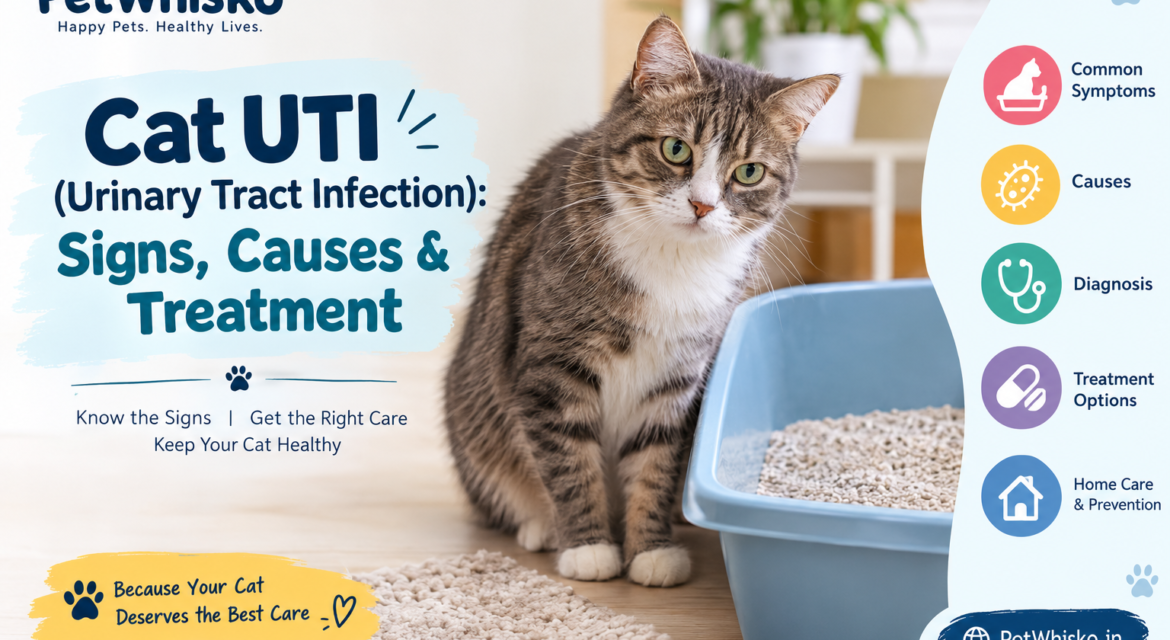
Cat UTI (Urinary Tract Infection): Signs, Causes & Treatment
Cats depend on a healthy urinary system to remove waste from their bodies and maintain proper internal balance. When a problem affects the bladder or urinary tract, it can make urination painful, uncomfortable, and stressful. Cat owners may notice frequent litter box visits, small amounts of urine, blood in the urine, or unusual behavior.
Understanding cat UTI symptoms treatment is important because urinary problems can have several causes. Although a urinary tract infection (UTI) is one possibility, bladder inflammation, urinary crystals, bladder stones, and urinary blockages can produce similar signs. These conditions require different treatments, so identifying the underlying cause is essential.
At PetWhisko, our goal is to help pet owners understand common health concerns and recognize when professional veterinary care is necessary. This guide explains the signs, causes, diagnosis, treatment options, and prevention strategies associated with urinary tract infections in cats.
What Is a Cat Urinary Tract Infection?
A urinary tract infection occurs when harmful bacteria enter the urinary system and multiply. The infection may affect the bladder, urethra, or, in more serious cases, the kidneys. The bladder stores urine, while the urethra carries urine out of the body.
When bacteria irritate the urinary tract, a cat may experience pain, inflammation, frequent urination, or difficulty passing urine. Some infections may also cause blood to appear in the urine.
However, not every cat with urinary symptoms has a bacterial infection. Bacterial UTIs are relatively uncommon in otherwise healthy adult cats, while other lower urinary tract conditions can cause similar symptoms.
This distinction matters because antibiotics treat susceptible bacterial infections but do not resolve every urinary problem. A veterinarian must determine whether the symptoms are caused by bacteria, inflammation, stones, or an obstruction.
Common Cat UTI Symptoms Treatment: Signs Every Owner Should Know
Recognizing urinary changes early can help prevent discomfort from becoming a more serious health problem. Cats often hide signs of illness, so even subtle changes in litter box habits deserve attention.
1. Frequent Trips to the Litter Box
One of the most noticeable signs is repeatedly visiting the litter box. Your cat may squat several times within a short period but pass only small amounts of urine.
Frequent urination can occur because inflammation irritates the bladder, creating the sensation that the cat needs to urinate even when very little urine is present.
Pay attention to how often your cat visits the litter box and whether normal-sized urine clumps are being produced. Repeated attempts with little or no urine require urgent veterinary assessment.
2. Pain or Difficulty While Urinating
A cat experiencing urinary discomfort may strain, squat for longer than usual, or appear restless while trying to urinate.
Some cats may cry, growl, or make unusual sounds during litter box visits. Others remain quiet but show clear discomfort through their posture and behavior.
Painful urination is not specific to a UTI. Bladder inflammation, urinary stones, and urethral obstruction can cause the same signs. A veterinary examination is necessary to determine the cause.
3. Blood in the Urine
Blood may make urine appear pink, red, or brownish. Sometimes the discoloration is difficult to notice, particularly when urine is absorbed by litter.
Blood in the urine can indicate irritation or damage affecting the bladder or urinary tract. It may occur with bacterial infections, bladder inflammation, urinary stones, or other conditions.
Do not assume that blood automatically means your cat has a UTI. Contact a veterinarian promptly, even if your cat otherwise appears comfortable.
4. Urinating Outside the Litter Box
A previously well-trained cat may suddenly urinate on the floor, bathroom mats, bedding, or other surfaces.
This behavior is sometimes mistaken for a training issue or deliberate misbehavior. However, urinary discomfort can cause a cat to associate the litter box with pain and seek another place to urinate.
Avoid punishing your cat. Instead, consider the behavior a possible health warning, especially when it appears alongside frequent urination, straining, or changes in urine volume.
5. Excessive Licking Around the Genital Area
Cats naturally groom themselves, but repeated licking around the genital area may indicate irritation or discomfort.
A cat with urinary problems may repeatedly return to this area because urination feels painful or the surrounding tissues are irritated.
Excessive grooming alone cannot confirm an infection. Nevertheless, it is worth discussing with a veterinarian when accompanied by other urinary symptoms.
6. Changes in Urine Smell or Appearance
Urine may develop an unusual smell or appear cloudy, discolored, or blood-tinged. These changes can sometimes accompany a bacterial infection.
However, smell and appearance are not reliable diagnostic tests. Dehydration, blood, crystals, and other urinary conditions may also affect urine characteristics.
A urine examination can help determine whether bacteria, inflammation, crystals, or other abnormalities are present.
7. Reduced Appetite and Unusual Behavior
Some cats become withdrawn, irritable, restless, or less interested in their usual activities when they feel unwell.
A more serious infection, particularly one involving the kidneys, may cause reduced appetite, vomiting, fever, or lethargy.
These symptoms should not be ignored. If your cat appears significantly unwell, seek veterinary care rather than waiting for urinary symptoms to improve.
Emergency Warning Signs: When to Seek Immediate Veterinary Care
A urinary blockage is a potentially life-threatening emergency. It can prevent urine from leaving the bladder and cause dangerous changes in the body.
Watch for the following warning signs:
- Repeated straining without producing urine.
- Passing only a few drops despite repeated attempts.
- Crying or showing significant distress in the litter box.
- A painful-looking abdomen or marked restlessness.
- Vomiting, weakness, collapse, or severe lethargy alongside urinary problems.
If your cat is straining but producing no urine, seek emergency veterinary care immediately. Do not wait until the next day.
Male cats are particularly vulnerable to urethral obstruction because their urethra is narrower, although urinary emergencies can affect cats of either sex.
Do not attempt to press or massage the bladder, and never try to unblock the urinary tract at home. Immediate professional treatment may be necessary to restore urine flow and protect the kidneys.
What Causes UTIs in Cats?
Understanding the possible causes of urinary problems helps owners recognize which cats may need closer monitoring.
1. Bacterial Infection
A bacterial UTI develops when bacteria enter the urinary tract and multiply. Bacteria may travel through the urethra and reach the bladder, producing inflammation and discomfort.
A healthy adult cat is generally less likely to develop a bacterial UTI than a cat with an underlying medical condition. Therefore, a confirmed infection may prompt the veterinarian to investigate additional risk factors.
2. Older Age
Older cats may have a higher risk of urinary infections because they are more likely to develop medical conditions that affect normal urinary function.
Age-related kidney disease, diabetes, and other illnesses can increase susceptibility to infection. Changes in drinking habits or urination patterns in senior cats should therefore receive appropriate attention.
3. Diabetes and Kidney Disease
Diabetes can cause glucose to appear in urine and may affect the body’s ability to manage infections. Chronic kidney disease can also increase the likelihood of urinary problems.
When a cat develops a UTI alongside another medical condition, treating the infection alone may not resolve the underlying problem.
Veterinarians may recommend blood tests or additional investigations to identify conditions that could contribute to recurring infections.
4. Problems With Normal Urine Flow
The urinary system depends on the regular movement and emptying of urine. Urinary stones, anatomical abnormalities, or incomplete bladder emptying can interfere with this process.
When urine does not flow normally, bacteria may have more opportunities to multiply. Stones and obstructions can also cause urinary symptoms without a bacterial infection.
This is why the correct diagnosis is essential before treatment begins.
5. A Weakened Immune System
Cats with certain illnesses or those receiving particular medications may have reduced resistance to infection.
When the immune system cannot respond effectively, bacteria may be more likely to establish an infection or cause recurring problems.
If urinary symptoms repeatedly return, the veterinarian may investigate immune-related concerns and other underlying conditions.
6. Urinary Catheters and Previous Procedures
Some cats require urinary catheters or surgical procedures to manage specific urinary conditions. These interventions can increase the risk of introducing bacteria into the urinary tract.
Cats with a history of urinary obstruction or repeated infections may therefore require closer monitoring and follow-up examinations.
Is It Really a UTI or Another Urinary Problem?
Several feline conditions can look almost identical to a urinary tract infection. Understanding the differences can help explain why a veterinarian may recommend testing before prescribing medication.
Feline Idiopathic Cystitis
Feline idiopathic cystitis is a painful inflammatory bladder condition without an identifiable cause through routine diagnostic testing. It is a common explanation for lower urinary tract signs in cats.
Stress, environmental changes, and other factors may contribute to episodes. Affected cats may strain, urinate frequently, pass blood, or urinate outside the litter box.
Because this condition is not necessarily caused by bacteria, antibiotics are not an appropriate treatment unless a bacterial infection is also identified.
Bladder Stones and Urinary Crystals
Mineral crystals or stones may develop in the urinary system. Depending on their location and size, they can irritate the bladder, cause bleeding, or interfere with urine flow.
Some stones require specific dietary management, while others may need medical procedures or surgery. The appropriate approach depends on the type, size, and location of the stones.
Urethral Obstruction
A urethral obstruction occurs when urine cannot pass normally through the urethra. It is particularly dangerous because urine may accumulate in the bladder, and the body can develop serious metabolic complications.
Cats with an obstruction may repeatedly visit the litter box, strain, and produce little or no urine. This is an emergency, not a condition to manage with home remedies.
How Is a Cat UTI Diagnosed?
A veterinarian will consider your cat’s symptoms, medical history, physical examination, and diagnostic test results before confirming the cause of urinary discomfort.
1. Physical Examination
The veterinarian may assess your cat’s general condition and examine the abdomen for signs of bladder discomfort or abnormal enlargement.
Your description of the symptoms is also valuable. Be prepared to explain when the problem began, how often your cat urinates, whether blood is visible, and whether your cat is eating and drinking normally.
2. Urinalysis
Urinalysis examines the urine for abnormalities such as blood, inflammatory cells, crystals, and other indicators of urinary disease.
The findings can help guide the next diagnostic steps, but urinalysis alone may not always establish whether a bacterial infection is present.
3. Urine Culture
A urine culture checks whether bacteria grow from a urine sample. Sensitivity testing can help determine which antibiotics are likely to work against the identified bacteria.
When a bacterial UTI is suspected, culture and sensitivity testing can be particularly useful for selecting an appropriate treatment and investigating recurring infections.
The veterinarian may collect urine using a method that reduces contamination, depending on your cat’s condition and clinical needs.
4. Blood Tests
Blood tests may be recommended if the cat is older, appears seriously ill, has recurrent urinary problems, or shows signs that suggest kidney disease or diabetes.
These tests can help identify underlying medical conditions that may increase the risk of infection.
5. X-Rays or Ultrasound
Imaging may be necessary when stones, structural abnormalities, recurrent infections, or other urinary disorders are suspected.
These investigations help the veterinarian assess the urinary tract and determine whether additional treatment is needed.
Not every cat requires every test. The diagnostic plan depends on the symptoms, examination findings, and medical history.
Cat UTI Symptoms Treatment: Available Veterinary Treatment Options
The correct treatment depends on whether your cat has a bacterial infection, bladder inflammation, stones, or another urinary condition.
1. Antibiotics for Confirmed Bacterial Infections
When a bacterial UTI is diagnosed, the veterinarian may prescribe an appropriate antibiotic based on the suspected or identified bacteria and the cat’s medical history.
Follow the prescribed dosage and schedule carefully. Never use leftover antibiotics or medication prescribed for another animal.
Not every cat with urinary symptoms needs antibiotics. Unnecessary antibiotic use can contribute to antimicrobial resistance and may delay the correct treatment when another condition is responsible.
The length of treatment varies according to the type of infection, the cat’s health, and whether the infection is recurrent or complicated.
2. Pain Relief and Inflammation Management
Urinary conditions can be painful, so a veterinarian may prescribe appropriate pain relief when necessary.
The medication must be selected according to the cat’s health, hydration status, kidney function, and other clinical factors.
Never give human painkillers to your cat without explicit veterinary direction. Some commonly used human medications can be highly toxic to cats.
3. Treatment for Urinary Stones
If testing identifies bladder stones, treatment will depend on their composition, size, location, and effect on urine flow.
Some stones may be managed through a veterinarian-prescribed therapeutic diet. Others require removal through a medical procedure or surgery.
Dietary treatment should not be started randomly because different types of stones require different approaches.
4. Emergency Treatment for Urinary Blockage
A blocked urinary tract requires immediate veterinary intervention. Treatment may involve relieving the obstruction, providing appropriate fluids and pain management, and monitoring kidney function and electrolyte levels.
A blocked cat cannot be safely treated through increased water intake, home remedies, or antibiotics alone.
After the immediate emergency is managed, the veterinarian may recommend additional measures to reduce the likelihood of recurrence.
5. Managing Underlying Health Conditions
When a urinary infection is associated with diabetes, kidney disease, or another medical condition, both the infection and the underlying problem may need attention.
A comprehensive treatment plan can improve recovery and reduce the risk of repeated episodes.
If symptoms persist or return after treatment, the veterinarian may recommend further testing rather than simply repeating the same medication.
Home Care for Cats With Urinary Problems
Home care can support comfort and recovery, but it must not replace veterinary diagnosis or treatment.
Encourage Fresh Water Intake
Provide clean, fresh water in accessible locations around the home. Some cats drink more readily from wide bowls or circulating water fountains.
Wet food can also help increase total water intake when it is appropriate for your cat’s nutritional and medical needs.
Do not force water into your cat’s mouth, especially if the cat is distressed or unwell.
Keep the Litter Box Clean
Scoop the litter box regularly and keep it in a quiet, accessible location. Cats may avoid a dirty, noisy, or difficult-to-reach litter box.
In multi-cat households, providing enough litter boxes can help reduce competition and make it easier to monitor each cat’s urination habits.
A clean litter box also allows you to notice changes in urine quantity, frequency, and appearance.
Reduce Environmental Stress
Stress can contribute to certain feline bladder conditions, even when bacteria are not involved.
Maintain predictable feeding times, provide comfortable resting places, and allow your cat access to safe hiding spots. Introduce household changes gradually when possible.
In homes with several cats, ensure that each animal has access to food, water, resting areas, and litter boxes without excessive competition.
Follow the Veterinary Treatment Plan
Give prescribed medication exactly as directed and attend recommended follow-up appointments.
Monitor whether your cat is passing normal amounts of urine, eating normally, and becoming more comfortable. Report worsening symptoms or a lack of improvement to the veterinarian.
Do not stop antibiotics early or extend the course without veterinary advice.
Avoid Unproven Home Remedies
Cranberry products, herbal preparations, essential oils, and human urinary supplements should not be used as substitutes for proper diagnosis.
Evidence for many supplements in feline urinary disease is limited, and some products may be unsuitable or harmful to cats.
Discuss any supplement with your veterinarian before using it, particularly if your cat has kidney disease, diabetes, or a history of urinary obstruction.
How to Help Prevent Future Urinary Problems
Not every urinary condition can be prevented, but a few practical habits may support your cat’s urinary health.
Provide adequate hydration. Make fresh water readily available and discuss suitable wet-food options with your veterinarian.
Maintain a healthy body weight. Balanced nutrition and regular play can support overall health and mobility.
Keep litter boxes accessible. Clean boxes and quiet locations can encourage normal elimination habits.
Minimize avoidable stress. Consistent routines and a comfortable environment may help reduce stress-related urinary episodes.
Schedule regular veterinary checkups. Routine examinations can help identify health problems, particularly in older cats or those with chronic medical conditions.
Investigate recurring symptoms. Repeated urinary problems should prompt a review of the original diagnosis and possible underlying causes.
Monitor changes in behavior. Early attention to frequent urination, blood in urine, or unusual litter box habits can help prevent delays in care.
These measures support general urinary health, but they cannot guarantee that a cat will never develop an infection or another urinary disorder.
What Is the Recovery Outlook for Cats With a UTI?
The outlook depends on the cause, severity, and presence of other medical conditions.
Many cats with appropriately diagnosed bacterial bladder infections improve with suitable veterinary treatment. However, infections associated with kidney disease, diabetes, urinary stones, or other complications may require additional investigation and monitoring.
Cats with noninfectious bladder inflammation may also improve, but their symptoms can recur if contributing factors remain.
A cat that initially improves but later develops frequent urination, blood in the urine, or renewed discomfort should be reassessed. Repeated episodes should not automatically be assumed to represent the same infection.
Most importantly, a cat that cannot pass urine needs immediate emergency care, regardless of whether a previous episode was diagnosed as a UTI.
Frequently Asked Questions About Cat UTI Symptoms Treatment
1. What are the first signs of a UTI in cats?
Early signs may include frequent litter box visits, straining, passing small amounts of urine, blood in the urine, and urinating outside the litter box. These signs can also occur with other urinary conditions, so veterinary assessment is important.
2. Can a cat UTI go away on its own?
A suspected bacterial infection should not be left untreated without veterinary guidance. Some noninfectious bladder episodes may improve spontaneously, but symptoms alone cannot distinguish them from an infection or a dangerous obstruction.
Arrange veterinary assessment when urinary symptoms appear, and seek emergency care if your cat cannot pass urine.
3. How do veterinarians treat a UTI in cats?
Treatment may include veterinarian-prescribed antibiotics for a confirmed bacterial infection and appropriate pain relief. The veterinarian may also investigate and treat underlying problems, such as diabetes, kidney disease, or urinary stones.
The treatment plan depends on the diagnostic findings.
4. Can I treat my cat’s UTI at home?
Home care can support recovery by encouraging water intake, maintaining clean litter boxes, and reducing stress. However, it cannot reliably cure a bacterial infection or resolve an obstruction.
Do not give human medication, leftover antibiotics, or unapproved supplements. Seek veterinary advice for appropriate diagnosis and treatment.
5. Are male cats more likely to have urinary problems?
Male cats are particularly vulnerable to urethral obstruction because their urethra is narrower. Both male and female cats can develop urinary infections, bladder inflammation, stones, and other urinary conditions.
Any cat straining to urinate should be assessed promptly, especially if little or no urine is produced.
6. Can stress cause UTI symptoms in cats?
Stress can contribute to feline idiopathic cystitis, a painful bladder condition that may cause signs resembling a UTI. However, stress does not automatically mean a cat has a bacterial infection.
A veterinarian should investigate urinary symptoms to determine the cause.
7. How can I tell whether my cat has a UTI or bladder stones?
It is usually impossible to distinguish these conditions reliably through symptoms alone. Both may cause frequent urination, straining, blood in urine, and discomfort.
Urinalysis, urine culture, and imaging may be required to identify the underlying condition.
8. Should I change my cat’s food after a UTI?
Not every cat with a UTI needs a special diet. Dietary changes may be appropriate when a cat has certain urinary stones or other diagnosed conditions.
Ask your veterinarian whether a therapeutic diet is suitable for your cat rather than switching foods without a clear reason.
9. Can a cat get repeated UTIs?
Yes. Some cats experience recurring bacterial infections, particularly when underlying health problems or abnormalities affect the urinary tract.
Repeated episodes may require urine culture, additional testing, and investigation of contributing medical conditions.
10. When should I take my cat to an emergency veterinarian?
Seek immediate emergency care if your cat repeatedly strains but produces no urine, passes only a few drops with significant distress, or develops severe weakness, collapse, or vomiting alongside urinary problems.
A urinary blockage can become life-threatening quickly, so never wait for the symptoms to resolve on their own.
Final Thoughts
Understanding cat UTI symptoms treatment helps cat owners recognize urinary problems and respond appropriately. Frequent urination, straining, blood in the urine, excessive genital grooming, and urinating outside the litter box are important warning signs that deserve attention.
However, these symptoms do not always indicate a bacterial infection. Bladder inflammation, urinary stones, and urethral obstruction can produce similar signs, making veterinary diagnosis essential.
Provide fresh water, maintain clean litter boxes, reduce avoidable stress, and follow your veterinarian’s recommendations. Most importantly, treat an inability to pass urine as an emergency.
For more practical pet health information and responsible pet-care guidance, visit PetWhisko and continue learning how to support your cat’s comfort, safety, and overall well-being.